Injured at the Airport? Here’s Why Your Case Is More Complicated Than You Think
Getting injured at an airport requires a lot of upfront investigation. That’s because an airport is like a city, a government building, and a shopping mall all rolled into one. Let me explain.
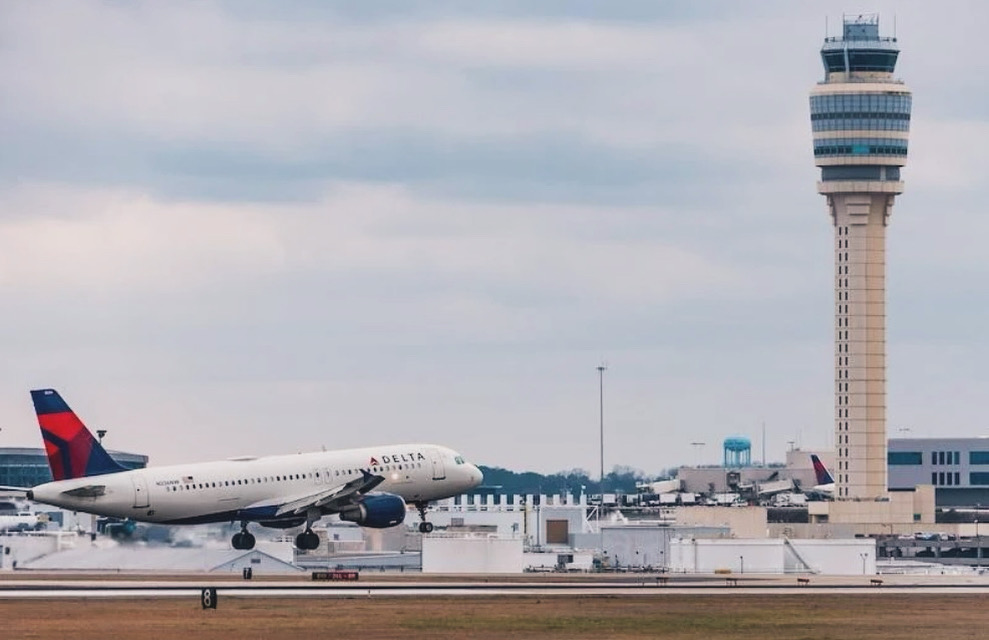
The City of Atlanta owns Hartsfield-Jackson International Airport. Like many major cities, Atlanta makes much of its money by running the airport efficiently — and one of the biggest revenue sources is leasing space to tenants. Think of it like a shopping mall. A mall has anchor stores like Macy’s or Bloomingdale’s, plus smaller retailers and a food court. The airport has a food court, too — but its major tenants are airlines. They lease ticket counter space, pay for security, and rent gates the same way a brand like Burberry leases retail space at Phipps Plaza.
Why Airport Injury Cases Are So Complex
Almost all airport injury cases involve slip and falls. If someone slips in a common area — say, near the large security courtyard — figuring out who is responsible can be challenging.
You have to:
- Review video footage.
- Identify who caused the hazard.
- Determine how long the hazard was there.
- Figure out which company or insurer is responsible.
That can take a lot of time and effort, and sometimes a lawsuit is the only way to get access to the information needed to find out what really happened.
Injuries on the Jetway
If you’re hurt while walking down the jetway onto your plane, the responsible parties are usually limited to two groups:
- The airline leasing the gate.
- A contractor working at the airport.
That contractor could be responsible for maintenance or could work with one of the third-party wheelchair services that assist passengers. These aren’t airport employees — they’re separate companies with their own insurance and responsibilities.
Accidents on the Tarmac
It doesn’t stop there. Behind the scenes, there’s an entire network of roads on the tarmac where vehicles are constantly moving supplies, equipment, and personnel. Collisions can and do happen there, too.
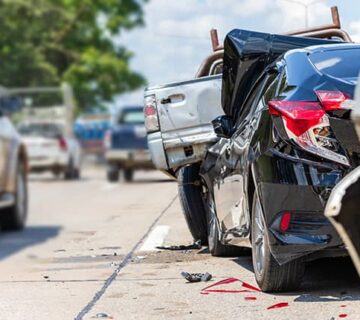
A few years ago, I represented a Delta employee who was rear-ended by a Frontier employee while both were driving pickup trucks on the tarmac. The case got complicated quickly — we had to determine who the at-fault driver was working for, whether any contract work was involved, and who ultimately held responsibility for the damages.
The Bottom Line
Airports are complex environments with multiple parties involved — the city, the airlines, and various contractors all operating under one roof. That means an injury at the airport often requires careful investigation to identify who’s truly at fault.
If you’ve been injured at an airport, it’s important to work with a lawyer who understands how these cases work — one who knows how to cut through the complexity and fight for the compensation you deserve.